

Spinal Misalignment
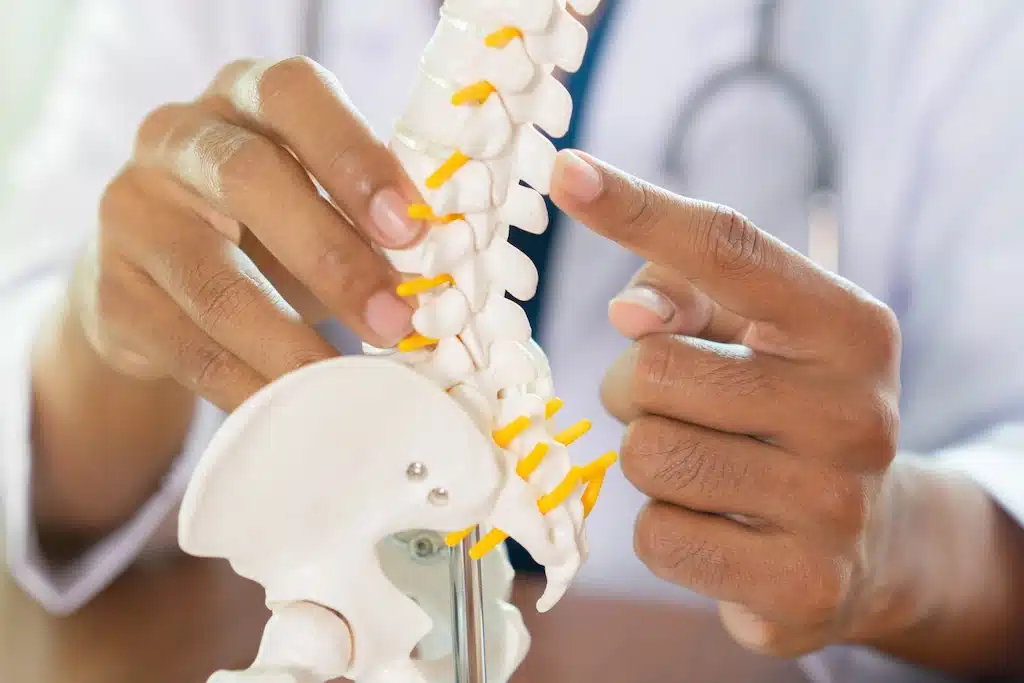
Spinal Misalignment
When people talk about a "spinal misalignment," they're usually describing what chiropractors call joint dysfunction, a segment of the spine that isn't moving the way it should. It's less about a bone being dramatically out of place and more about restricted, uneven, or compensatory movement between vertebrae, which can lead to stiffness, muscle tension, and pain.
What Causes Spinal Misalignment?
Spinal joint dysfunction usually develops gradually, from the everyday stresses we place on our bodies. Common contributors include:
- Prolonged sitting and desk work.
- Poor posture, including forward-head posture and rounded shoulders from phone and computer use.
- Repetitive movement or stress at work, in sports, or from carrying children or bags on one side.
- A past injury that never fully resolved.
- Muscle imbalances that pull the spine out of its normal resting position.
- Age-related disc and joint changes.
Signs and Symptoms
Spinal misalignment can show up differently from person to person, but common signs include:
- Neck, shoulder, or back stiffness that doesn't fully resolve with rest
- Reduced range of motion when turning or bending.
- Uneven posture such as one shoulder or hip sitting higher than the other
- Headaches that start at the base of the skull.
- Localized aches that come and go, especially after sitting or standing for long periods.
Numbness, tingling, or weakness in an arm or leg can sometimes accompany spinal joint problems, but these symptoms can also point to other causes that need their own evaluation, so if you're experiencing them, it's worth having a thorough exam rather than assuming the cause.
How We Diagnose It
We evaluate your posture, spinal range of motion, and joint mobility by hand, along with a review of your symptoms, activity level, and any past injuries. Because on-site digital X-ray is available in our office, we can also assess spinal alignment and rule out other structural causes at your first visit.
Treatment for Spinal Misalignment
The goal of treatment is to restore normal motion to the restricted joint and address the muscle imbalances and habits that caused it. Depending on your evaluation, your plan may include:
- Chiropractic adjustments to restore proper joint motion and relieve the irritation caused by restricted segments.
- Soft tissue therapy and medical massage to release the muscle tension that develops around a restricted joint.
- Postural and ergonomic guidance to reduce the everyday habits that contribute to misalignment.
- Guided stabilization exercises to build the supporting strength that keeps your spine moving well between visits.
- Physical therapy for more involved cases needing a structured rehab program.
Most patients notice improved mobility and reduced stiffness within a few weeks, with a longer-term plan to keep symptoms from returning.
If stiffness, uneven posture, or reduced mobility have been bothering you, our Midtown Manhattan team can pinpoint what's going on and build a treatment plan to get you moving comfortably again.
Call or Text us today to request your appointment (212) 245-5688