

Runner's Knee Treatment in Midtown NYC
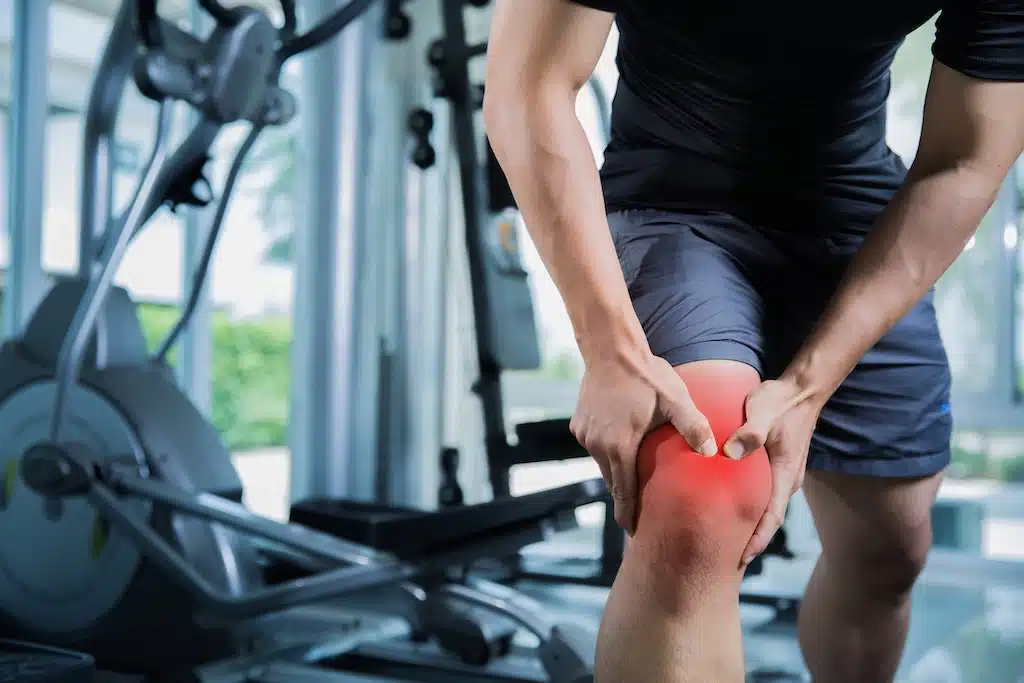
Runner's knee is medically known as patellofemoral pain syndrome (PFPS) and is a common cause of dull, aching pain around or behind the kneecap. Despite the name, you don't have to be a runner to develop it; it's one of the most frequent knee complaints we see in both active and sedentary patients.
What Causes Runner's Knee?
Runner's knee is rarely caused by a single injury. It's typically driven by a combination of biomechanical factors that change how the kneecap tracks within its groove on the thigh bone (femur) as the knee bends and straightens:
- Weakness in the hip and quadriceps muscles, especially the muscles that stabilize the hip and control how the thigh rotates
- Tight hamstrings or calf muscles, which increase compressive load on the kneecap
- A sudden increase in running mileage, jumping, or other repetitive knee-loading activity
- Foot and ankle mechanics such as overpronation which can change alignment up the whole leg
- Kneecap shape or alignment that predisposes it to tracking slightly off-center
Symptoms
- A dull ache around or behind the kneecap
- Pain that worsens with running, squatting, or climbing and descending stairs
- Pain after prolonged sitting with the knees bent (sometimes called "theater sign")
- A grinding or popping sensation with knee movement
- Mild swelling, though significant swelling or locking is uncommon and worth a closer look
Runner's Knee vs. Chondromalacia Patella
These two terms are often used interchangeably, but they're not quite the same thing. Runner's knee (PFPS) is a broader diagnosis based on how the kneecap moves and loads, usually without a specific structural finding. Chondromalacia patella refers specifically to softening or breakdown of the cartilage on the underside of the kneecap, which may or may not be present in someone with PFPS symptoms. In practice, the evaluation and initial conservative treatment for both are very similar.
How We Diagnose It
Runner's knee is largely a clinical diagnosis, meaning we rule out other causes of anterior knee pain first such as patellar tendon issues, meniscus or ligament injury, or referred pain from the hip or lower back. Our evaluation includes assessing your knee's alignment and tracking, testing hip and quadriceps strength, checking hamstring flexibility, and reviewing your training or activity history. On-site digital X-ray is available if we need to rule out another cause, though imaging usually isn't required for a straightforward case.
Treatment for Runner's Knee
The strongest evidence for runner's knee points to targeted exercise, particularly strengthening the hip and quadriceps muscles, as the single most effective treatment. Depending on your evaluation, your plan may include:
- Guided hip and quadriceps strengthening exercises, the best-supported intervention for correcting the muscle imbalances behind most cases
- Chiropractic adjustments to the hip, ankle, and foot when mechanics in those joints are contributing to how your kneecap tracks
- Soft tissue therapy for tight hamstrings, calves, or the muscles along the outside of the thigh
- Patellar taping or bracing to reduce pain during the early phase of treatment
- Activity and training modification - adjusting mileage, footwear, or training surface while you rehab
- Acupuncture as a drug-free option for pain relief
Most patients improve significantly within one to two months of consistent treatment, and long-term outcomes with a home exercise program are excellent. If pain and swelling are significant, or if you notice locking or a feeling of the knee giving way, it's worth a more thorough evaluation to rule out a structural issue.
Frequently Asked Questions
Do I have to be a runner to get "runner's knee"? No, despite the name, patellofemoral pain syndrome is common in non-runners too, including people who sit for long periods or are simply increasing their activity level.
Is runner's knee the same as chondromalacia patella? They're related but not identical. Chondromalacia refers to a specific cartilage finding, while runner's knee is a broader clinical diagnosis. Many people use the terms interchangeably, and initial treatment is similar either way.
Can a chiropractor help with runner's knee? Yes, particularly by combining guided strengthening exercise with hands-on work addressing hip, ankle, and soft tissue mechanics that affect how your kneecap tracks.
Do I need to stop running? Usually not entirely, most patients modify (rather than stop) activity while strengthening and correcting mechanics, then return to full training as symptoms resolve.
If knee pain is holding back your training or your daily activities, our Midtown Manhattan team can help you get back to moving pain-free. Call us today or request an appointment online.