

Degenerative Disc Disease
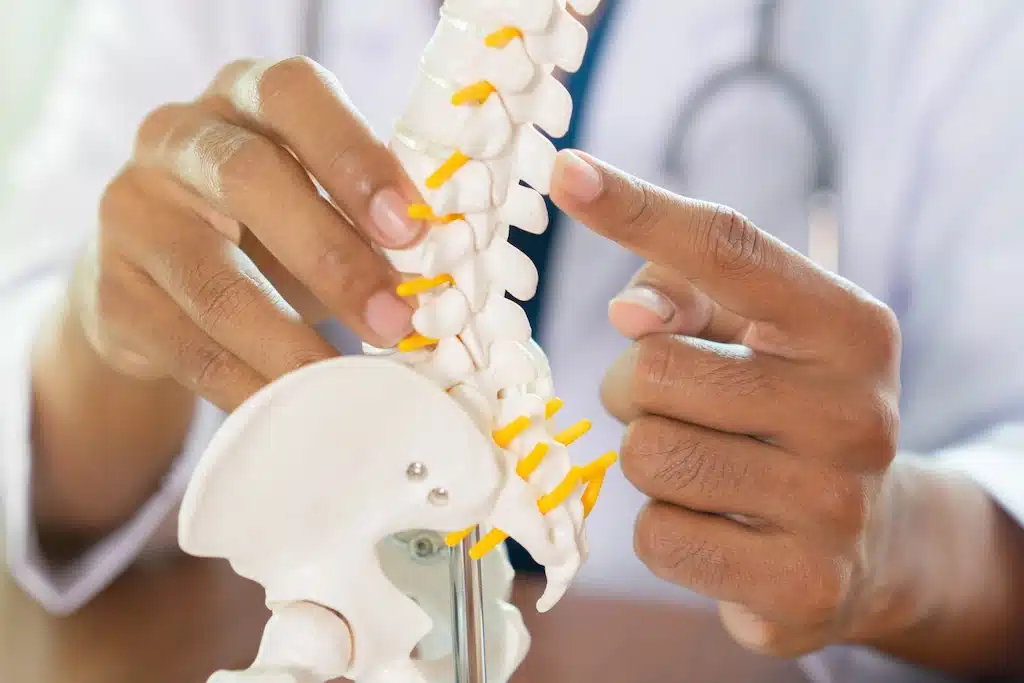
If bending, lifting, or sitting for too long leaves your back or neck stiff and achy, the cause is often degenerative disc disease, which is one of the most common sources of chronic spine pain we treat at our Midtown Manhattan clinic. Despite the name, it isn't really a "disease." It's wear and tear that most people develop to some degree as they age, and for many patients it responds well to conservative, non-surgical care.
At Vitality Health New York, Dr. Neel Kumar and our team build a treatment plan around your specific level of disc degeneration to relieve pain, protect the discs you have left, and keep you moving without surgery or long-term medication.
What Is Degenerative Disc Disease?
The discs between your vertebrae act as shock absorbers, letting your spine flex, bend, and twist. Over time, through normal aging, injury, or repetitive stress, these discs lose hydration and height, becoming stiffer and less able to cushion movement. This gradual breakdown is what's called degenerative disc disease (DDD).
DDD can occur anywhere along the spine, but it shows up most often in two areas:
- Lumbar (lower back) - the most common site, since the lower spine carries the most load.
- Cervical (neck) - common in people who spend long hours looking down at phones or screens.
Left unmanaged, disc degeneration can contribute to related conditions, including:
- Osteoarthritis - the breakdown of the cartilage in the small joints of the spine.
- Herniated (bulging or ruptured) discs - this is when disc material presses on nearby nerves.
- Spinal stenosis - is a narrowing of the spinal canal that can compress the spinal cord or nerve roots.
What Causes It?
Disc degeneration is largely a function of age, but several factors can speed it up or make symptoms worse:
- Natural aging and gradual loss of disc hydration.
- Genetics and family history of back or neck problems.
- Smoking, which reduces blood flow and nutrition to the discs.
- Excess body weight, which adds load to the lower spine.
- Repetitive bending, lifting, or twisting at work.
- Prior injury to the spine.
- Prolonged sitting and poor posture, especially at a desk or looking down at a phone.
Symptoms of Degenerative Disc Disease
Not everyone with disc degeneration has pain and it's a normal finding on many spine images. When symptoms do occur, common signs include:
- Low back or neck pain that is often described as a dull, persistent ache, with occasional flare-ups of sharper pain.
- Pain that worsens with bending, lifting, or twisting, and eases with rest or lying flat.
- Stiffness, especially first thing in the morning or after sitting for a long time.
- Pain that improves with movement and changing positions throughout the day.
- Numbness, tingling, or radiating pain into the arms or legs if a nearby nerve is irritated.
How We Diagnose It
We start with a thorough history and hands-on physical exam to assess your posture, range of motion, and any signs of nerve involvement. Because on-site digital X-ray is available in our office, we can often evaluate disc height and spinal alignment at your first visit. If your symptoms suggest nerve compression or don't improve with conservative care, we'll coordinate an MRI referral to get a more detailed look at the discs and surrounding structures. Sometimes diagnostic testing such as an EMG/NCV to measure the conductive strength of the involved nerves.
Treatment for Degenerative Disc Disease
Degenerative disc disease can't be reversed, but the pain and stiffness it causes can be managed effectively and most patients avoid surgery with the right conservative plan. Depending on your evaluation, your treatment at Vitality Health may include:
- Chiropractic spinal adjustments to restore joint mobility and reduce compensatory strain on affected segments.
- Physical therapy to build core and postural strength that takes pressure off the discs.
- Mechanical traction therapy to gently decompress the spine and relieve pressure on irritated discs and nerves.
- Medical massage and soft tissue therapy to ease surrounding muscle tension and improve circulation.
- Therapeutic ultrasound to help calm inflammation in the affected area.
- Acupuncture or electroacupuncture as a drug-free option for pain relief.
- Guided stretching and strengthening exercises to protect your spine and slow further degeneration.
- Posture and ergonomic coaching for your desk setup, sleep position, and daily movement habits.
Most patients see meaningful improvement in pain and function within several weeks of consistent, conservative care. If symptoms persist or worsen despite treatment, we'll help coordinate the next step, which may include imaging, injections, or a referral to a spine specialist.
Frequently Asked Questions
Is degenerative disc disease reversible? No, disc degeneration is a structural change that can't be undone, but symptoms can be significantly reduced and further progression can often be slowed with the right care and lifestyle changes.
Does having DDD mean I'll always be in pain? No. Many people have disc degeneration visible on imaging with little or no pain. Symptoms depend more on how a disc is affecting nearby joints and nerves than on the degeneration itself.
Can a chiropractor help with degenerative disc disease? Yes. Conservative, hands-on care which includes spinal adjustments, traction, and targeted rehab exercises, is a first-line approach for DDD and helps many patients manage symptoms without surgery.
Will I need surgery? Most people do not. Surgery is typically reserved for cases with significant nerve compression or symptoms that don't respond to several months of conservative treatment.
You don't have to live with chronic back or neck pain. Our Midtown Manhattan team, just steps from Grand Central Terminal, will pinpoint the cause of your symptoms and build a treatment plan to help you move comfortably again.
Call or Text us today at (212) 245-5688 to request an appointment or click the button below to request an appointment online.