

Patellofemoral Pain Syndrome: Diagnosis, Treatment & Recovery in Midtown NYC
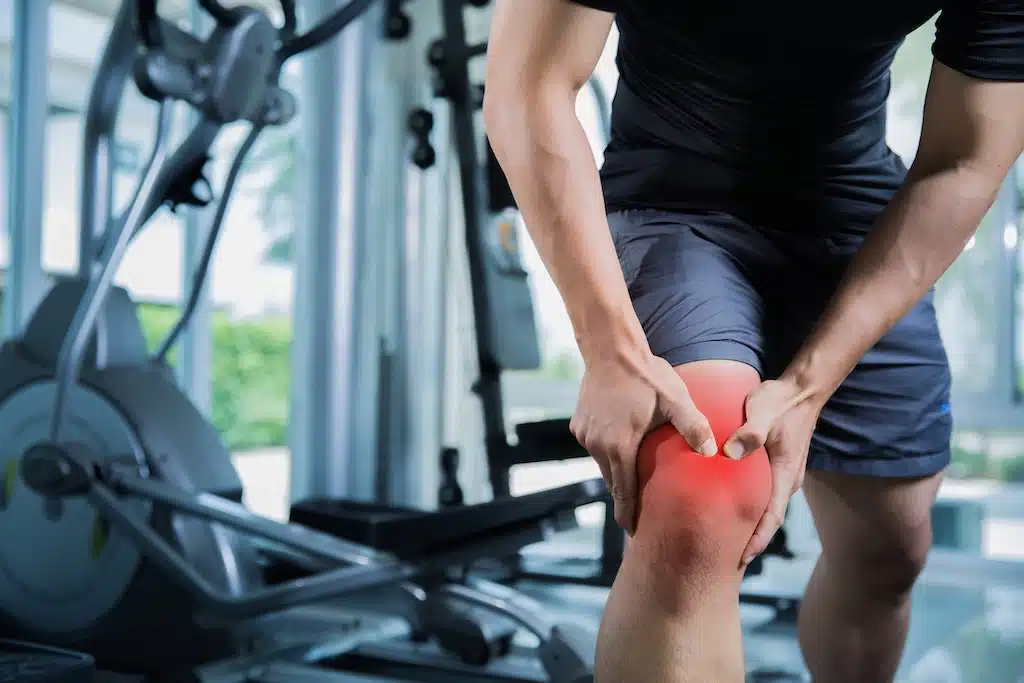
If the front of your knee aches when you run, climb stairs, kneel, or stand up after sitting too long, you may be dealing with patellofemoral pain syndrome, often called "runner's knee." It's one of the most common causes of knee pain we see at our Midtown Manhattan clinic, especially among runners, cyclists, and anyone whose routine involves a lot of stairs (which, in a city built on subway platforms and walk-ups, is most of us). This page covers what causes it, how we diagnose it, and how our team treats it conservatively, without surgery, in almost every case.
What Is Patellofemoral Pain Syndrome, and Why Does It Happen?
Patellofemoral pain syndrome develops when your kneecap (patella) doesn't glide smoothly within the groove at the end of your thighbone (femur) as you bend and straighten your knee. When the kneecap tracks even slightly off-center, it rubs unevenly against the cartilage and bone beneath it, causing irritation and a dull ache around or behind the kneecap. It's fundamentally an overuse and mechanics problem, not a torn ligament or structural injury. This is good news, since it almost always responds well to conservative, non-surgical care. Left unmanaged, though, the repeated friction can progress to cartilage softening (chondromalacia patella) or contribute to arthritis, so it's worth addressing early.
What Causes Patellofemoral Pain Syndrome?
Runner's knee is rarely caused by a single event. It's usually the result of several factors adding up over time:
- Sudden increases in activity - ramping up mileage, frequency, or intensity faster than your body can adapt
- Weak or imbalanced quadriceps muscles, especially the inner quad (vastus medialis), which helps guide the kneecap's tracking.
- Weak hip and glute muscles, which can allow the thigh to rotate inward and pull the kneecap off its normal path
- Kneecap misalignment or tracking issues, sometimes related to foot arch or leg alignment.
- Tightness in the IT (Iliotibial) band, hamstrings, or calf muscles, which changes how forces load the knee.
- Overpronation or flat feet, and worn-out or unsupportive footwear.
- Repetitive stress from running, jumping, squatting, or descending stairs and hills.
Signs You May Have Patellofemoral Pain Syndrome
- A dull, aching pain in the front of the knee, around or under the kneecap.
- Pain that worsens with running, squatting, kneeling, or climbing/descending stairs.
- Discomfort after sitting for a long time with the knee bent (sometimes called "theater sign," from sitting through a movie).
- Rubbing, grinding, or clicking sensations when bending or straightening the knee.
- Mild swelling around the kneecap
- Pain that builds gradually rather than starting from a single injury.
How We Diagnose Patellofemoral Pain Syndrome
Diagnosis starts with a conversation about your activity level, training habits, footwear, and when the pain shows up, followed by a hands-on physical exam. We assess how your kneecap tracks as you bend and straighten your knee, check for tenderness around the patella, and evaluate the strength and flexibility of your quads, hips, and surrounding muscles, along with your gait and overall lower-body alignment.
Because several other knee conditions can mimic patellofemoral pain such as alignment abnormalities, and early arthritic changes. If we suspect a cartilage, ligament, or meniscus problem that X-ray can't show, we'll refer you out for an MRI or orthopedic consult so you get the right imaging and specialist input. We want an accurate diagnosis, not just a fast one.
Treatment Options
The great majority of cases improve with conservative, non-surgical treatment. This is where our multidisciplinary approach is especially useful:
- Physical therapy targeting the muscles that control kneecap tracking, particularly the quads, hips, and glutes, along with flexibility work for the IT band and hamstrings
- Chiropractic care to address alignment issues in the knee, hip, and lower back that may be contributing to abnormal loading patterns
- Medical massage to relieve tightness in the quads, IT band, and calves and improve circulation to irritated tissue
- Acupuncture to help manage pain and reduce inflammation as you work through rehab
- Activity modification including a temporary shift to lower-impact cross-training like swimming or cycling while symptoms settle
- Taping or bracing to support proper kneecap tracking during activity, and guidance on footwear or orthotics if foot mechanics are a factor
Surgery is rarely needed for patellofemoral pain syndrome and is considered only as a last resort. If we ever believe you've reached that point, we'll refer you to a trusted orthopedic surgeon rather than push treatment you don't need.
What Recovery Looks Like
Most people notice meaningful improvement within a few weeks of starting a consistent treatment plan, though full recovery often takes six weeks to a few months, depending on how long the pain has been building and how closely you can follow your rehab program. Because this is an overuse condition, recovery isn't just about reducing today's pain, it's about rebuilding the strength and mechanics that let you return to running, stairs, and daily activity without the problem creeping back.
Frequently Asked Questions:
Is patellofemoral pain syndrome the same as a torn ACL or meniscus?
No. It's an overuse and tracking issue involving the kneecap and thighbone, not a torn ligament or cartilage tear. The symptoms can feel similar, which is why an accurate exam and is very important since treatment is different for each condition.
Can I keep running while I'm being treated?
Often yes, in modified form. Many patients scale back mileage, cross-train with lower-impact activity, and gradually reintroduce running as strength and symptoms improve.
Will I need surgery?
Almost certainly not. Most cases resolve with conservative care like physical therapy, chiropractic treatment, and activity modification. Surgery is reserved for the rare case that doesn't respond to a full course of non-surgical treatment.
Does insurance cover treatment?
We accept most major insurance plans, see our insurance page for details, or call us and we'll help you check your benefits.
Get Started With an Evaluation
Front-of-knee pain tends to get more stubborn the longer it's ignored, but it also tends to respond well once it's properly diagnosed and treated. Our Midtown Manhattan team combines chiropractic care, physical therapy, sports medicine, medical massage, and acupuncture. We will build a plan around your knee and your goals.
Call or Text us (212) 245-5688