

ACL Injuries: Diagnosis, Treatment & Recovery in Midtown NYC
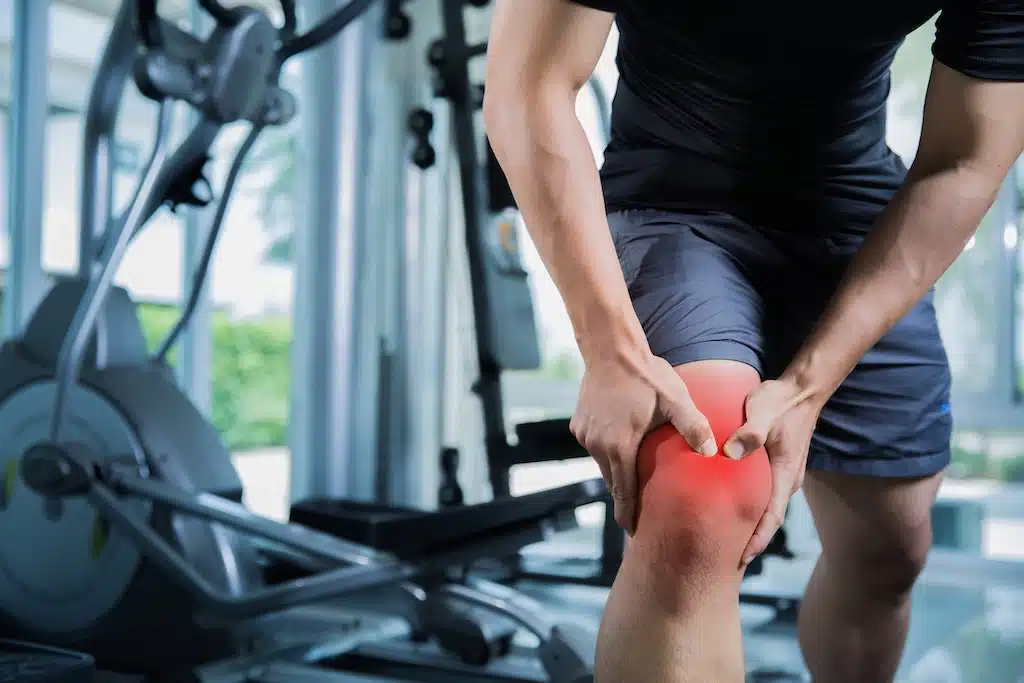
Anterior Cruciate Ligament (ACL) Injuries
A torn or sprained ACL is one of the most common serious knee injuries we see at our Midtown Manhattan clinic, especially among recreational and competitive athletes. Whether you felt your knee "pop" on the soccer field, twisted it landing from a jump, or you're weighing your options after a recent diagnosis, this page walks through what the ACL does, how these injuries happen, and how our team can help. We provide chiropractic, physical therapy, sports medicine, and rehabilitative massage under one roof and helps you get back to full strength.
What Is the ACL, and Why Does It Matter?
The anterior cruciate ligament (ACL) is one of four ligaments that stabilize the knee. It runs diagonally through the middle of the joint and controls how far the shinbone (tibia) can slide forward relative to the thighbone (femur). A healthy ACL is what lets you plant, pivot, and change direction without your knee buckling — which is exactly why it's under so much stress in cutting and jumping sports.
What Causes an ACL Injury?
Most ACL injuries happen without any contact at all. The ligament tears when the body twists faster than the knee can stabilize. Common causes include:
- Suddenly changing direction while running (cutting or pivoting)
- Landing awkwardly from a jump
- Stopping abruptly
- A direct blow to the knee, such as in a football tackle
- Slips, falls, or motor vehicle accidents
Sports with frequent stopping, pivoting, and jumping such as soccer, basketball, football, skiing, and tennis carry the highest risk. Female athletes are statistically more likely to sustain an ACL injury than male athletes in the same sports, a difference researchers attribute to a mix of anatomical, hormonal, and neuromuscular factors.
Signs You May Have Injured Your ACL
ACL injuries tend to announce themselves. Watch for:
- A distinct "pop" felt or heard at the moment of injury
- Rapid swelling, usually within the first few hours
- Pain, especially when trying to bear weight
- A feeling that the knee is unstable or "gives way"
- Loss of full range of motion
If you notice these symptoms, avoid putting weight on the knee and have it evaluated as soon as possible. Walking on an unstable knee raises the risk of additional cartilage or meniscus damage.
How Severe Is It? Understanding ACL Injury Grades
Not every ACL injury requires surgery. Severity is generally classified in three grades:
Grade 1 - Mild sprain. The ligament is stretched but still stabilizes the knee. Usually manageable with conservative, non-surgical care.
Grade 2 - Partial tear. The ligament is stretched and partially torn, with some looseness in the joint. Less common, and treatment depends on the degree of instability.
Grade 3 - Complete tear. The ligament is torn through and no longer stabilizes the knee. Athletes returning to pivoting sports typically need surgical reconstruction.
About half of ACL injuries also involve damage to nearby cartilage, the meniscus, or other knee ligaments. This is the reason a thorough exam matters before deciding on a treatment path.
How We Diagnose an ACL Injury
Your visit starts with a hands-on physical exam to test the knee's stability and range of motion, along with a review of how the injury happened. We take on-site digital X-rays to rule out a fracture. If a complete tear or significant cartilage involvement is suspected, we'll refer you for an MRI and, when appropriate, connect you with an orthopedic surgeon for a consultation — then build your rehabilitation plan around whichever path you and your surgeon decide on.
Treatment Options: Conservative Care and Surgical Recovery
Our approach depends on the grade of the injury and your goals for returning to activity.
For Grade 1 and select Grade 2 injuries, non-surgical treatment is often effective. Your plan may combine:
- Physical therapy to rebuild strength, balance, and stability
- Chiropractic care and soft tissue work to restore joint mechanics and reduce compensation patterns elsewhere in the leg and lower back
- Medical massage to manage swelling and muscle tension
- Acupuncture to support pain management as you regain mobility
- A gradual, supervised return-to-activity progression
For Grade 3 tears headed toward surgery, we can help on both ends: pre-surgical ("prehab") sessions to strengthen the knee and improve outcomes going in, and structured post-surgical rehabilitation once you have been cleared to begin therapy. Treatment typically progresses from motion and swelling control, to strength and balance work, to sport-specific drills before you return to your activities.
What Recovery Looks Like
Timelines vary by injury and treatment path:
- Non-surgical recovery (Grade 1, some Grade 2): roughly 1 to 12 weeks, depending on severity and how closely the rehab plan is followed.
- Post-surgical recovery (Grade 2–3 with reconstruction): generally 9 to 12 months from surgery to full return-to-sport clearance, moving through distinct phases of motion, strength, and performance testing.
We track progress at each stage rather than rushing the calendar — returning to sport too early is one of the biggest risk factors for re-injury.
Reducing Your Risk of an ACL Injury
If you're an athlete recovering from a prior knee injury, or simply want to lower your risk, here are a few things that make a measurable difference:
- Strengthening the glutes and hamstrings to support the knee
- Working on landing mechanics from jumps
- Neuromuscular and balance training
- Practicing sport-specific cutting and pivoting drills under control
- A proper dynamic warm-up before activity
Our sports medicine and physical therapy team can build a prevention program alongside your treatment plan, particularly useful if you're returning to a pivoting or contact sport.
Can a torn ACL heal without surgery? A mild (Grade 1) sprain often can, with physical therapy and a supervised return to activity. A complete (Grade 3) tear generally does not regain full stability without reconstruction, particularly for athletes returning to pivoting sports.
How do I know if my ACL injury needs surgery? It depends on the grade of the tear, any additional damage to the meniscus or cartilage, your activity goals, and how unstable the knee feels day to day. We'll help you understand your imaging results and, when surgery may be appropriate, connect you with an orthopedic surgeon for that conversation.
What should I do right after an ACL injury? Stop the activity, avoid bearing weight on the knee, apply ice, and get it evaluated as soon as possible. Continuing to play or walk on an unstable knee increases the risk of further damage.
Will insurance cover treatment? We accept most major insurance plans. See our insurance page for details, or call us and we'll help you check your benefits.
Get Started With an Evaluation
If you're dealing with knee pain, instability, or a recent injury, don't wait to have it looked at. Our multidisciplinary team, just steps from Grand Central in Midtown Manhattan, will evaluate your knee. We will explain your options in plain language, and build a recovery plan around your goals.
Call or Text Us at (212) 245-5688